
Across the globe, extraordinary monuments reveal the creativity, ambition and engineering achievements of civilizations throughout history. The New Seven Wonders of the World, announced in 2007 following a global public voting campaign, celebrate seven remarkable landmarks spanning several continents. From ancient cities hidden among mountains to magnificent structures built in honor of faith and love, each destination offers a fascinating glimpse into humanity’s cultural heritage. Together, these landmarks create an unforgettable journey through some of the world’s most spectacular places.
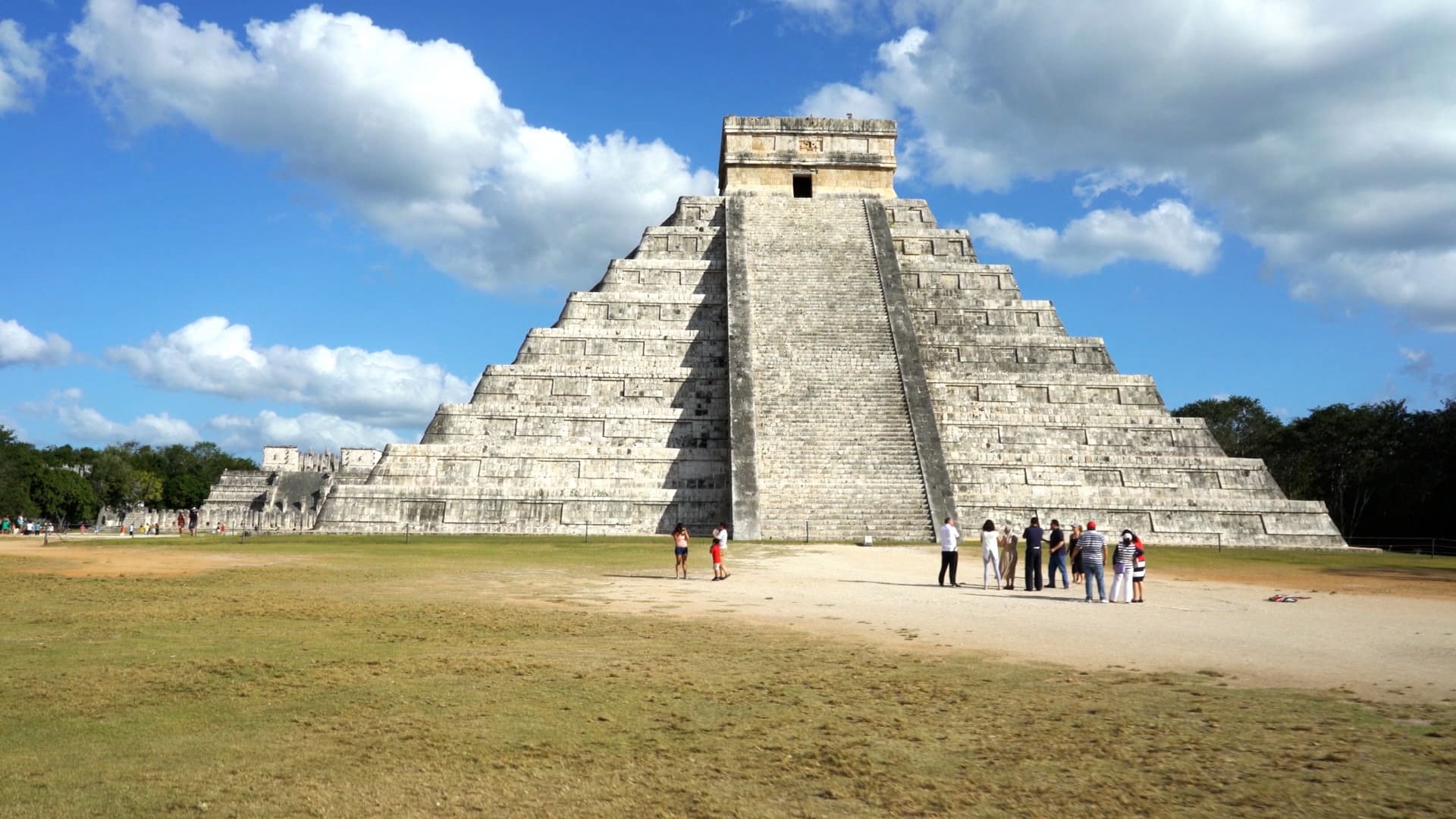
The adventure begins in Rio de Janeiro, Brazil, where Christ the Redeemer overlooks the city from Mount Corcovado. Completed in 1931, the enormous Art Deco statue has become an internationally recognized symbol of Brazil. Traveling west to Peru, Machu Picchu offers a completely different experience. Built during the 15th century, this remarkable Inca citadel stands high in the Andes Mountains, surrounded by dramatic peaks and lush landscapes. Its precisely constructed stone buildings and agricultural terraces demonstrate the architectural abilities of the Inca civilization. Farther north, Mexico’s Chichén Itzá preserves the legacy of the ancient Maya. Developed primarily during the first millennium AD, the archaeological site is famous for the stepped pyramid known as El Castillo.
Crossing the Atlantic brings travelers to Rome, Italy, home of the magnificent Colosseum. Completed in AD 80, this enormous amphitheater once hosted gladiatorial contests, animal hunts and other public spectacles. Its sophisticated engineering and imposing architecture remain powerful reminders of the Roman Empire’s influence. Continuing into the Middle East, Petra in Jordan presents another extraordinary achievement. The ancient Nabataean city is famous for monumental structures carved directly into colorful sandstone cliffs. Its most recognizable landmark, Al-Khazneh, features an elaborate facade surrounded by towering rock formations. Petra’s distinctive reddish landscape has earned it the nickname Rose City.
The next destination is Agra, India, where the Taj Mahal stands among the world’s most celebrated architectural masterpieces. Commissioned by Mughal emperor Shah Jahan in memory of his wife Mumtaz Mahal, the 17th-century mausoleum is admired for its white marble exterior, intricate decorative details and beautifully balanced proportions. The journey concludes in China with the Great Wall, an extensive network of defensive fortifications constructed and rebuilt across many centuries. Early walls appeared in ancient China, while substantial surviving sections were developed during the Ming dynasty. Stretching across mountains, valleys and rugged landscapes, the fortifications represent an extraordinary undertaking in military architecture.
Although these seven landmarks differ dramatically in appearance, purpose and historical background, they share an enduring ability to inspire wonder. Some were constructed for defense, others for religious devotion, remembrance or public entertainment. Each reflects the knowledge, beliefs and ambitions of the people responsible for its creation. Exploring these remarkable destinations offers more than spectacular photographs. It provides an opportunity to appreciate the diverse civilizations that shaped our world and the extraordinary achievements they left behind.
