
The Walt Disney Company is far more than a film studio. Its vast entertainment empire includes television networks, streaming platforms, theme parks, consumer products, and broadcasting operations. Movies represent only one part of that wider business, yet Disney’s influence at the global box office remains enormous. Through a combination of powerful franchises, recognizable characters, and carefully managed studio brands, the company has built a cinematic presence that few competitors can match.
Its film operations are spread across several major banners, including Walt Disney Animation Studios, Pixar Animation Studios, Lucasfilm, Marvel Studios, 20th Century Studios, Searchlight Pictures, and Walt Disney Pictures. Each serves a different part of the market. Searchlight is known for smaller, awards-focused films such as Jojo Rabbit, The Favourite, and The Menu, while Marvel and Lucasfilm oversee blockbuster franchises. Walt Disney Pictures, meanwhile, handles much of the company’s live-action family entertainment.
Disney’s live-action history stretches back to Treasure Island in 1950, but one of its most successful modern strategies has been transforming animated classics into new live-action productions. Early experiments included Rudyard Kipling’s The Jungle Book in 1994, though the trend accelerated dramatically with Alice in Wonderland in 2010. Directed by Tim Burton, the fantasy adventure earned more than $1 billion worldwide and won two Academy Awards, demonstrating the commercial potential of revisiting familiar stories with modern visual effects and internationally recognized stars.
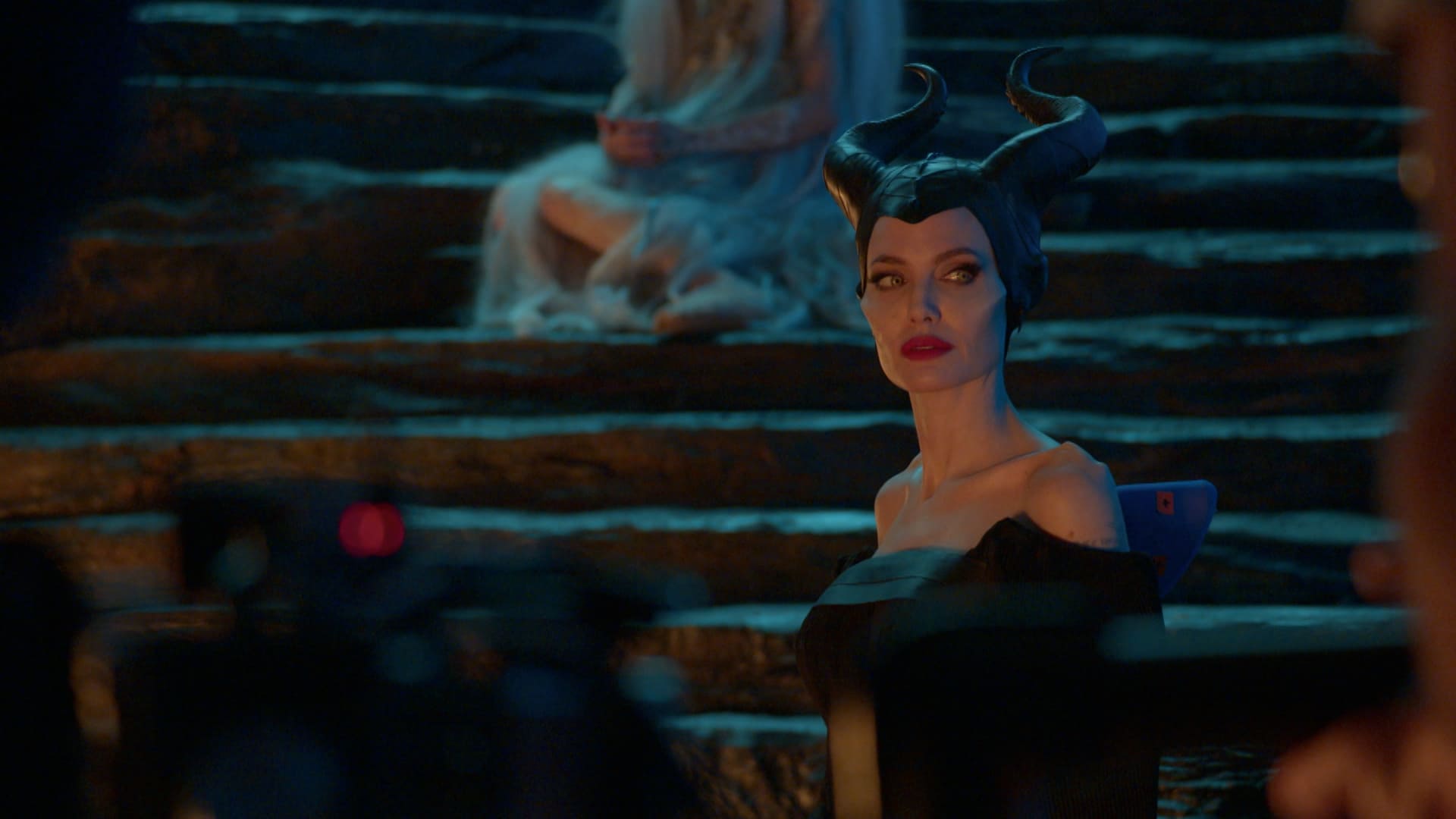
That success encouraged Disney, under the leadership of Bob Iger, to develop a much larger slate of reimagined classics. Films such as The Jungle Book, Beauty and the Beast, Mulan, and The Little Mermaid gave established characters and stories a contemporary presentation. These adaptations benefited from built-in audience recognition, popular soundtracks, and decades of emotional attachment to the originals. Although critical reactions varied, the films collectively generated billions of dollars and became a central part of Disney’s theatrical strategy.
Original live-action productions have delivered less consistent results. Ambitious releases including John Carter, The Lone Ranger, Tomorrowland, Jungle Cruise, and Haunted Mansion struggled to meet commercial expectations despite major budgets and recognizable talent. The clearest exception has been the Pirates of the Caribbean franchise, which turned a theme park attraction into a highly successful series of fantasy adventures.
Even when individual releases disappoint, Disney remains protected by the scale and diversity of its wider business. Successful animation, superhero films, established franchises, streaming services, and theme park operations give the company multiple sources of revenue. Its strength does not depend on any single movie or studio, making the Disney empire unusually resilient in an unpredictable entertainment industry.
