
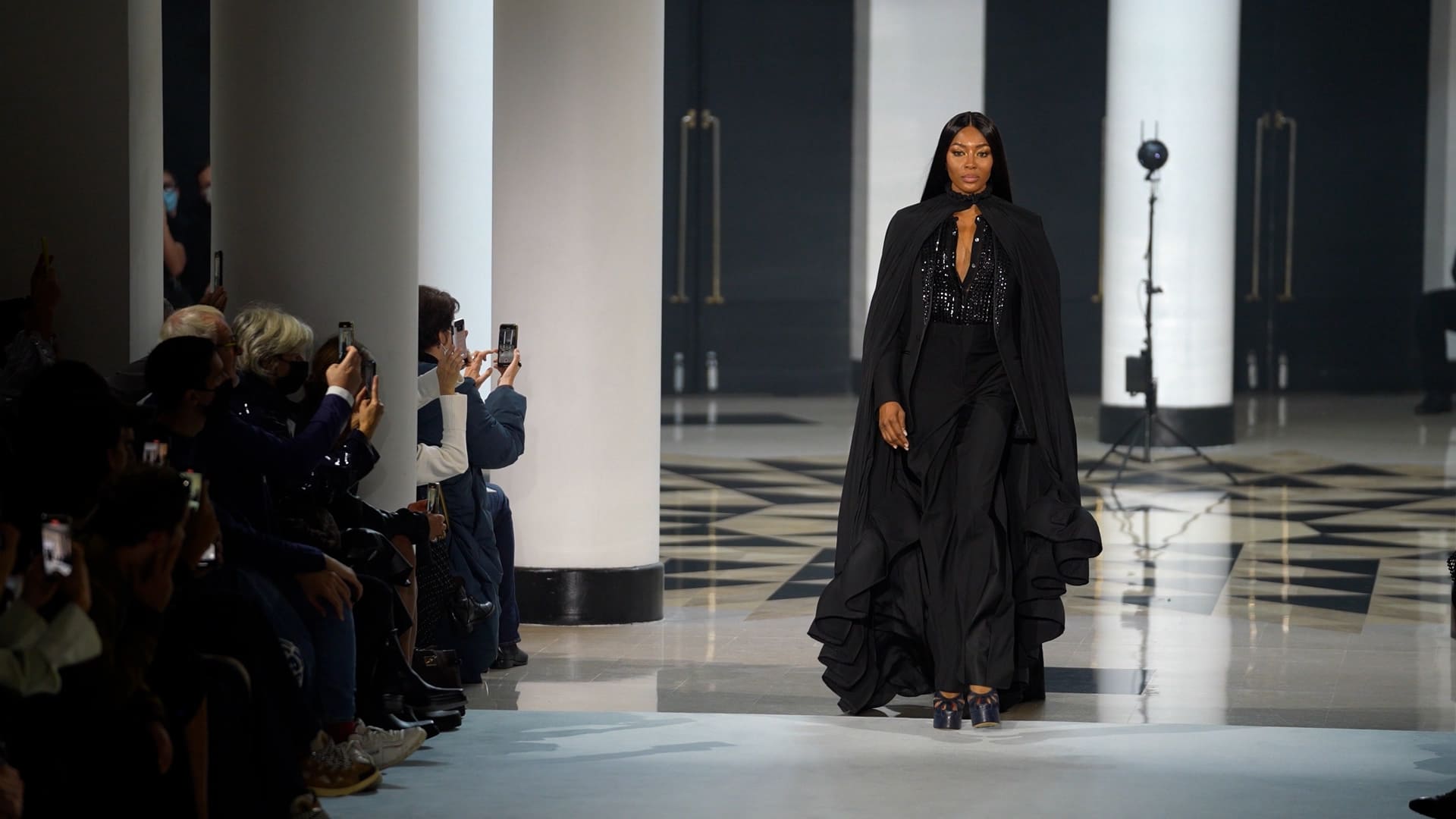
The modeling industry has undergone a dramatic transformation over the past two decades. Once defined by carefully curated magazine covers, runway appearances, and high-profile advertising campaigns, it now exists alongside an always-connected digital world where models are expected to share their lives with millions of followers. Social media has reshaped not only how models build their careers but also how audiences engage with them. The sense of mystery that once surrounded fashion’s biggest names has largely been replaced by constant access to their daily routines, personal opinions, fitness habits, and lives beyond the camera.
German model Toni Garrn believes this shift has fundamentally changed the path into the industry. When she began her career, aspiring models could still be discovered by agencies and rely primarily on professional representation. Today, building a successful modeling career often requires cultivating a strong online presence alongside traditional work. According to Garrn, aspiring models who embrace social media, content creation, and personal branding may find more opportunities than those hoping to follow the conventional route of simply being discovered. For many established models, however, adapting to the demands of constant posting, hashtags, and self-promotion has required learning an entirely new set of skills.
The digital era has also given models something previous generations often lacked: a public voice. Veteran supermodel Tyra Banks, reflecting on her decades in fashion, has spoken about how different the industry was when she started. Early in her career, expressing personal opinions could result in being labeled difficult or uncooperative. Today, models are increasingly encouraged to speak openly about issues that matter to them, from diversity and mental health to social causes and personal experiences. Social media has provided a direct platform that allows them to communicate with audiences without relying solely on traditional media outlets.
This evolution has expanded the role of models beyond simply appearing in photographs. While appearance remains an important part of the profession, authenticity, communication, and personal values now play a much greater role in shaping public perception. Many successful models use their platforms to advocate for meaningful causes, support charitable initiatives, and inspire younger generations. Their influence increasingly stems from what they say as much as how they look, allowing them to build deeper and more lasting relationships with their audiences.
As the fashion industry continues to evolve, modeling has become a profession that combines creativity, entrepreneurship, and public engagement. Success today requires far more than striking a pose in front of the camera. It demands adaptability, professionalism, and a willingness to connect with people beyond the runway. In an era driven by constant communication, a model’s greatest asset may no longer be mystery alone, but the ability to use their voice with purpose, authenticity, and respect for those around them.
