
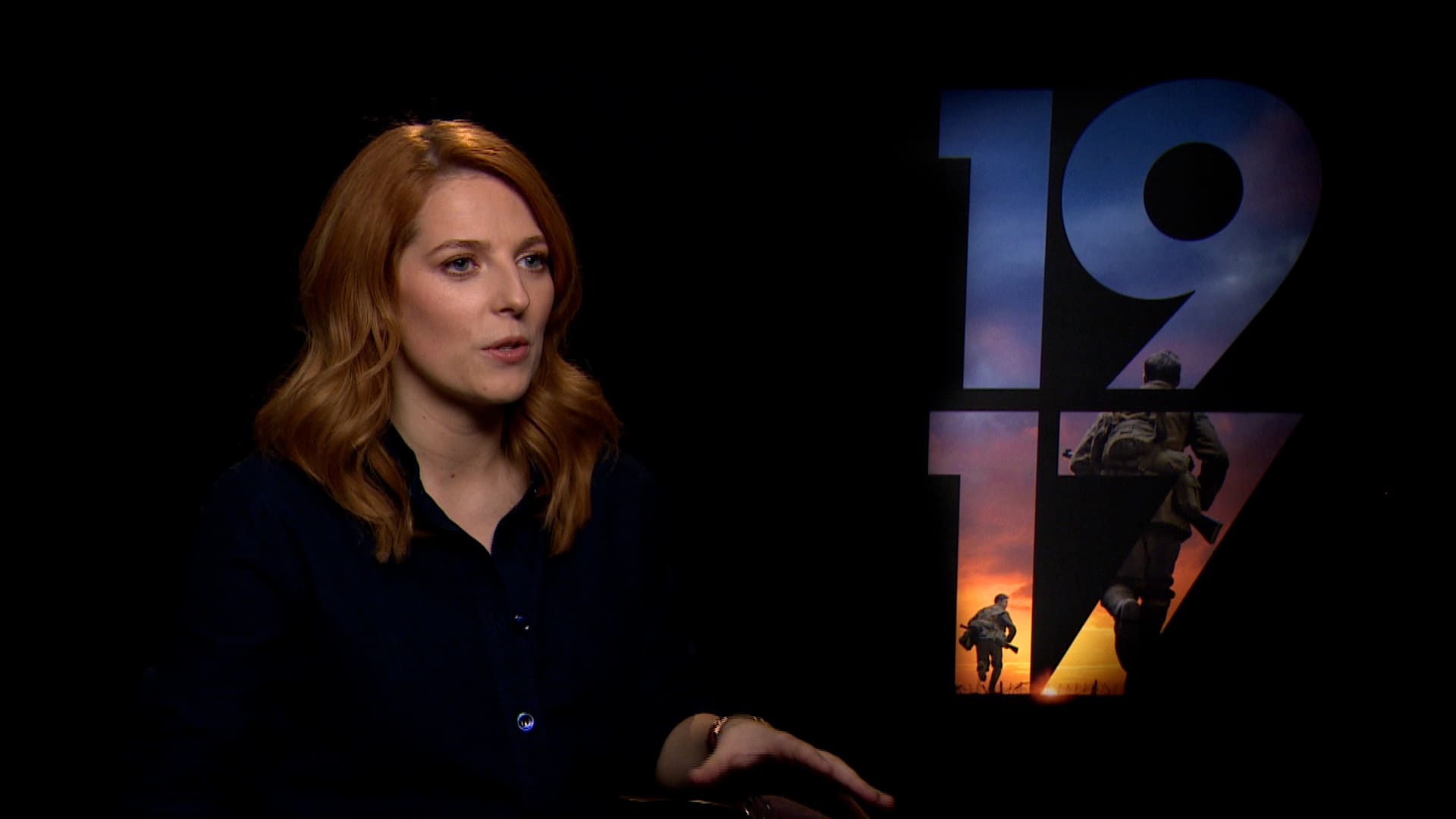
1917 redefined the modern war film by combining an emotionally intimate story with one of the most ambitious technical achievements in contemporary cinema. Directed by Sam Mendes and written by Krysty Wilson-Cairns and Mendes, the film follows two young British soldiers on a desperate mission during World War I. Tasked with delivering a message that could prevent a doomed attack and save the lives of 1,600 men, including one soldier’s brother, the story unfolds with relentless urgency and extraordinary realism.
What immediately sets 1917 apart is its groundbreaking visual approach. Although carefully assembled from multiple shots, the film is designed to appear as though it unfolds in one continuous take. This illusion creates an immersive experience, placing audiences alongside the protagonists as they navigate dangerous trenches, devastated battlefields, and enemy territory without the comfort of traditional editing. The uninterrupted perspective heightens both the tension and the emotional impact, making every obstacle feel immediate and every decision carry greater weight.
For screenwriter Krysty Wilson-Cairns, this ambitious concept demanded a completely different approach to writing. Rather than producing a conventional screenplay built around individual scenes, she had to imagine the film as a seamless visual journey. Every page needed to describe not only dialogue and character development but also the continuous movement of the camera and the evolving environment. Because the project was initially developed without studio backing, the screenplay also served as a proof of concept, demonstrating that such an unconventional filmmaking technique could successfully sustain a feature-length story.
The decision to present the narrative in apparent real time introduced additional creative challenges. Every event had to unfold naturally within a believable two-hour window, requiring the writers to carefully balance dramatic storytelling with authenticity. Spectacular moments could not feel exaggerated or disconnected from reality, as doing so would undermine the immersive experience. Wilson-Cairns has explained that maintaining this balance meant constantly asking how much extraordinary action audiences would accept before the illusion of realism began to fade.
Authenticity became the foundation of the entire production. While the central mission is fictional, the world surrounding the characters reflects extensive historical research into the realities of World War I. From the devastated landscapes and military procedures to the emotional exhaustion experienced by soldiers, every detail was crafted to feel genuine. Combined with its innovative cinematography, powerful performances, and deeply human story, 1917 stands as both a remarkable technical accomplishment and a moving tribute to the courage, sacrifice, and endurance of those who lived through one of history’s most devastating conflicts.
