
Rome is a city where ancient history and modern life exist side by side, creating one of the world’s most captivating travel destinations. Known as the Eternal City, Italy’s capital offers an extraordinary combination of monumental ruins, artistic masterpieces, magnificent churches and lively public squares. With a history spanning nearly three thousand years, Rome has witnessed the rise and fall of empires, the development of influential artistic movements and centuries of cultural transformation. Today, its remarkable architecture and vibrant atmosphere continue to attract travelers seeking history, beauty and the unmistakable charm of Italian life.
According to Roman mythology, the city was founded by Romulus in 753 BC, although archaeological evidence suggests that communities inhabited the surrounding area long before that date. Rome eventually became the center of a powerful empire whose influence extended across Europe, North Africa and the Middle East. Its ancient landmarks remain among the most recognizable monuments in the world. The Colosseum recalls the spectacular public entertainment of imperial Rome, while the Roman Forum preserves the remains of temples, government buildings and gathering places that once formed the heart of political life. The Pantheon, celebrated for its enormous concrete dome, demonstrates the remarkable architectural achievements of Roman engineers.
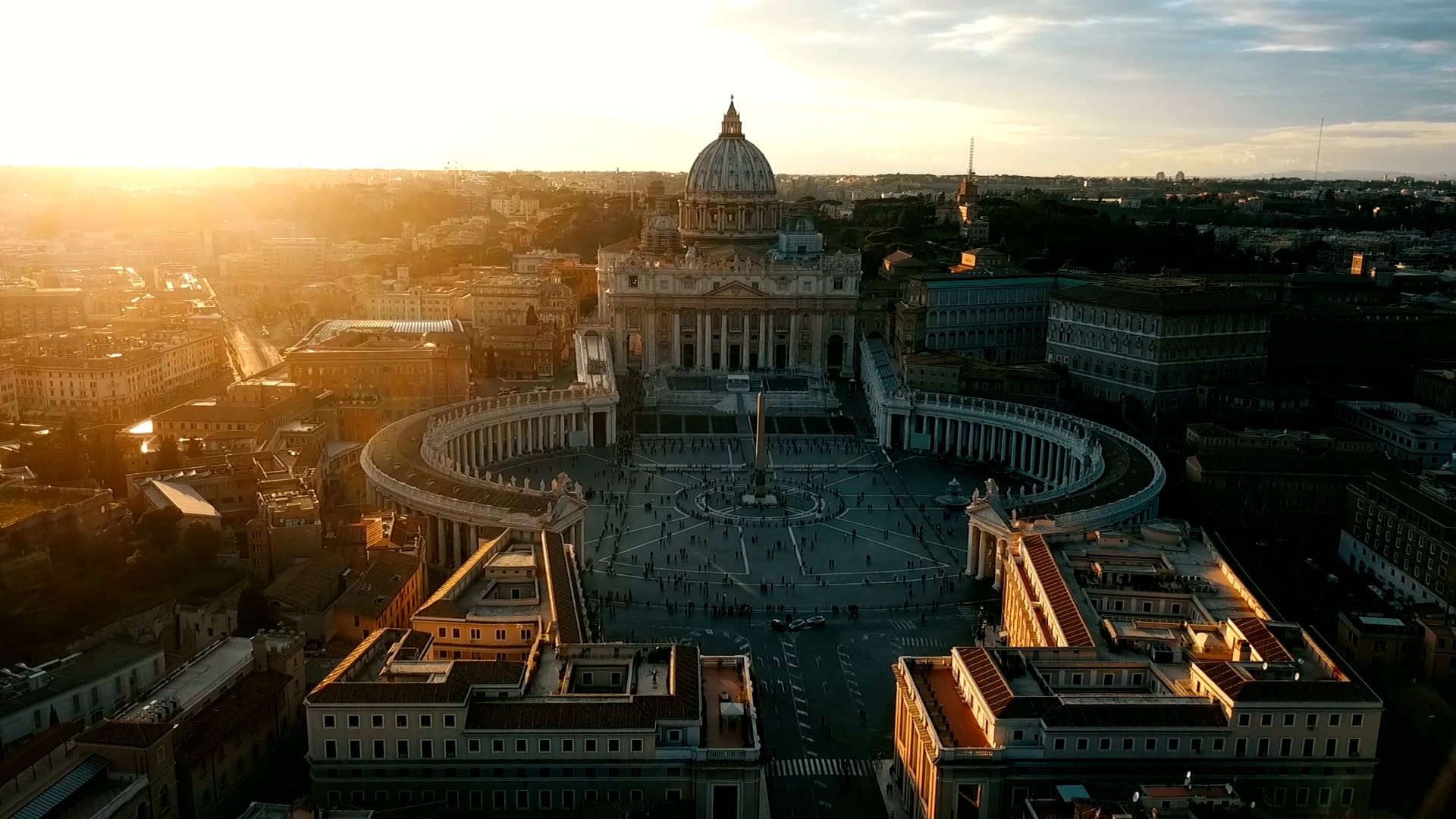
Rome’s historical importance extends beyond its imperial past. For centuries, the city has played a central role in Christianity, with monumental basilicas and religious institutions shaping its identity. Within Vatican City, an independent state surrounded by Rome, St. Peter’s Basilica stands as one of the most impressive examples of Renaissance architecture. Its immense dome, associated with Michelangelo’s architectural vision, dominates the surrounding skyline. The historic center of Rome and the Vatican’s remarkable cultural treasures have received UNESCO World Heritage recognition, reflecting their exceptional importance to human history and artistic achievement.
Art enthusiasts can discover extraordinary works throughout Rome’s churches, museums and public spaces. The city attracted some of Europe’s most influential artists, whose creations transformed its architectural and cultural landscape. Michelangelo contributed masterpieces of sculpture and painting, while Caravaggio revolutionized religious art through dramatic contrasts of light and shadow. Raphael’s frescoes remain celebrated for their beauty and technical sophistication, and Gian Lorenzo Bernini’s elaborate fountains and sculptures helped define the theatrical grandeur of Baroque Rome. From ornate churches to magnificent public squares, artistic discoveries appear around nearly every corner.
Yet Rome’s appeal extends far beyond its historical monuments and celebrated museums. Experiencing the city’s famous dolce vita lifestyle is equally important to understanding its character. Visitors can wander through narrow cobblestone streets, enjoy espresso at outdoor cafés or spend an afternoon observing daily life in picturesque piazzas. Traditional restaurants, neighborhood markets and welcoming public spaces provide opportunities to appreciate the rhythms of Italian culture. Whether admiring ancient ruins, exploring Renaissance masterpieces or simply enjoying a leisurely evening in a lively square, Rome offers an unforgettable combination of history, creativity and everyday beauty.
