
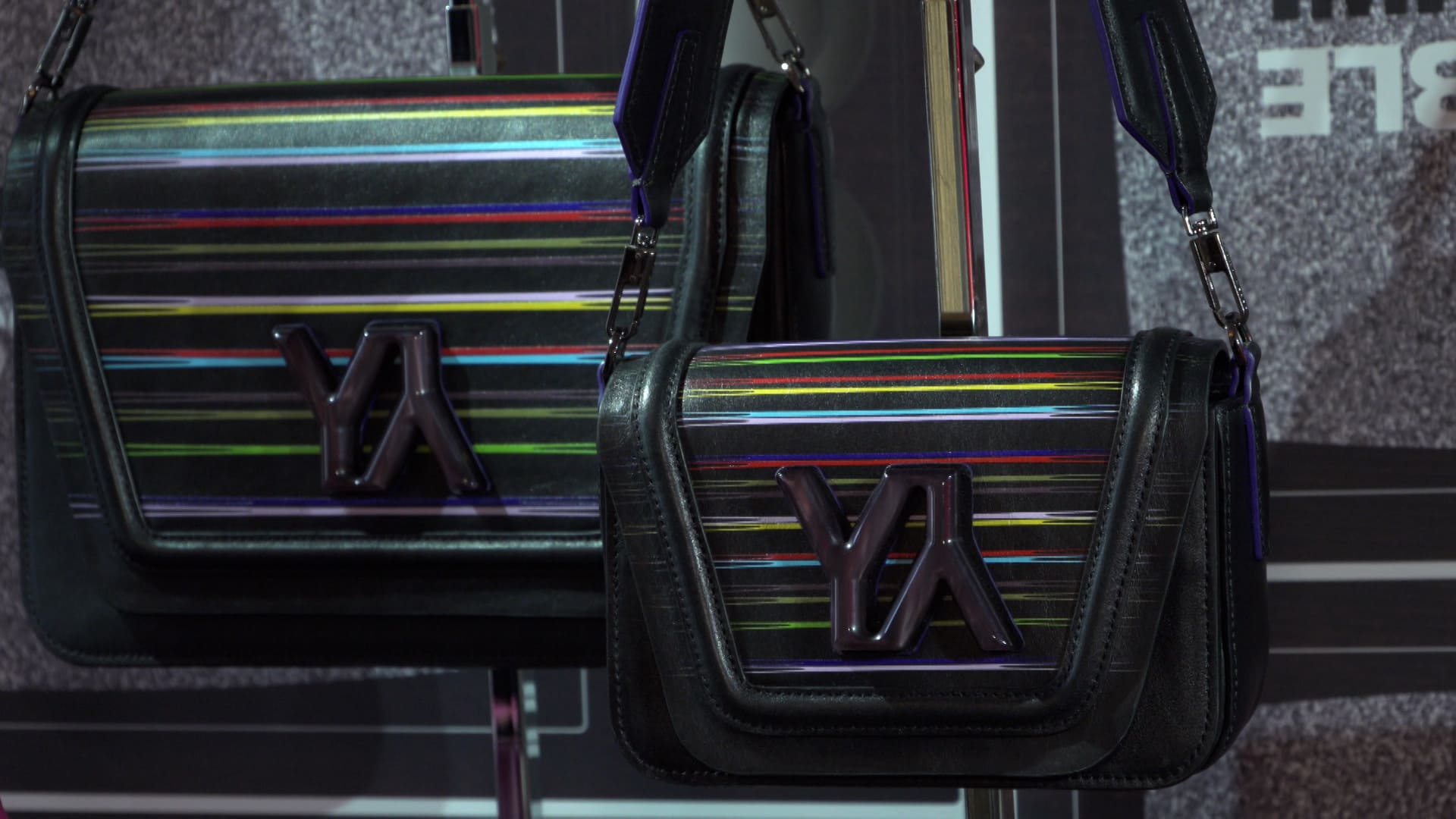
Luxury handbags have become far more than simple fashion accessories. On red carpets, at exclusive events, and in everyday style, the right bag can transform an outfit and make a lasting impression. Designers around the world continue to push the boundaries of creativity by combining craftsmanship, functionality, and artistic vision into unique handbag collections. German designer Nora Hänska believes simplicity and practicality are at the heart of successful design. Her collections focus on unisex bags made from high-quality materials and produced with careful attention to detail. Rather than chasing short-lived trends, she emphasizes minimalism, durability, and multifunctional features that fit naturally into daily life. This approach reflects a growing demand for products that are both stylish and useful. Many modern consumers want accessories that can adapt to different occasions while maintaining a timeless appearance. High-end handbag design often involves balancing aesthetics with practicality, ensuring that each piece remains attractive while serving a clear purpose. The process requires extensive knowledge of materials, production techniques, and consumer preferences. Designers must consider everything from shape and texture to storage capacity and comfort. As luxury fashion continues to evolve, handbags remain one of the most visible ways for individuals to express personal style. Their popularity has encouraged designers to experiment with new concepts while maintaining the quality standards expected within the luxury market. Through thoughtful design and careful craftsmanship, these accessories continue to occupy an important place in both fashion culture and everyday wardrobes around the world, appealing to consumers who value elegance, function, individuality, quality, innovation, and enduring sophistication in modern fashion today.
For many designers, handbags are also a form of artistic expression. Lebanese designer Nathalie Trad creates sculptural clutches that blur the line between fashion and art. Her geometric designs are intended to function as accessories while also serving as decorative objects that can be displayed in a home. This concept reflects a broader movement within luxury fashion where products are valued not only for their utility but also for their artistic significance. Another Lebanese designer, Rula Galayini, focuses on creating dynamic accessories designed for women with busy and diverse lifestyles. Her work emphasizes interactivity, unexpected details, and adaptability, allowing each bag to feel distinctive and engaging. At the highest end of the luxury market, Andrea Mueller offers highly customized creations through her label Libertam. Clients can personalize many aspects of their bags, including interior layouts and design details, resulting in products tailored to individual preferences. This level of customization highlights the exclusivity that defines much of the luxury handbag industry. Such pieces are often produced in limited quantities and can command prices of several thousand dollars. For affluent buyers, these handbags represent more than fashion purchases. They are investments in craftsmanship, originality, and personal identity. As luxury consumers increasingly seek unique and meaningful products, designers continue finding innovative ways to combine artistry, functionality, and exclusivity. Their work demonstrates how a handbag can serve as a practical accessory, a fashion statement, and a collectible piece of design all at the same time within today’s competitive luxury market.
