
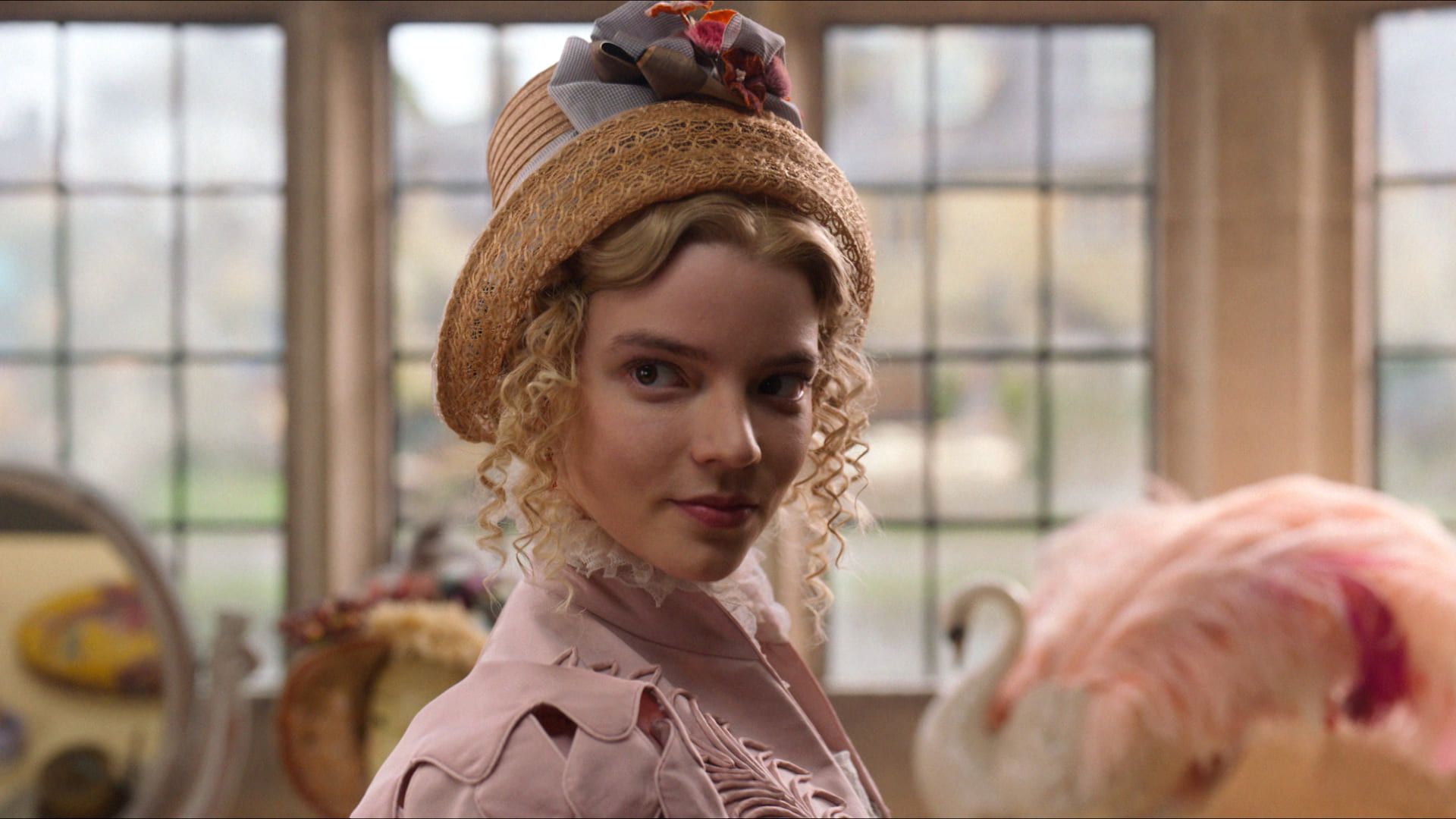
Emma, based on Jane Austen’s beloved novel, is celebrated not only for its witty romance and sharp social commentary but also for its striking visual style. While the story revolves around matchmaking, misunderstandings, and life among England’s Regency-era gentry, the film’s distinctive aesthetic plays an equally important role in bringing Austen’s world to life. Under the guidance of production designer Kave Quinn, the adaptation embraces an elegant palette of soft Georgian-inspired colors that sets it apart from many previous period dramas.
From the earliest stages of production, Quinn focused on creating an authentic yet fresh interpretation of the period. Rather than relying on the darker tones often associated with historical films, she incorporated pastel shades inspired by Georgian interiors and decorative arts. Every color choice was carefully coordinated with the costume department so that clothing, furniture, wallpaper, and architectural details formed a harmonious visual composition. This approach helped establish a playful atmosphere that complemented the film’s lighthearted humor while preserving the sophistication of Austen’s world.
Finding the perfect location for Hartfield, Emma Woodhouse’s family estate, proved to be one of the production’s greatest challenges. The filmmakers needed a historic property that had not appeared frequently on screen while also allowing enough creative freedom to transform its interiors. Many grand English country houses are protected by conservation organizations, limiting what productions can alter. Quinn therefore searched for a location where rooms could be redecorated to reflect her carefully planned color scheme without compromising the building’s historical integrity.
The production design extends beyond beauty, reinforcing the personalities of the characters and the film’s playful tone. Bright drawing rooms, elegant furnishings, and delicately coordinated interiors mirror Emma’s privileged upbringing and vibrant social world. The carefully curated spaces also enhance the comedic misunderstandings and romantic encounters that unfold throughout the story, making every room feel like an extension of the characters themselves rather than simply a decorative backdrop.
This attention to visual storytelling helped give Emma a distinctive identity among modern adaptations of Jane Austen’s work. By combining historically inspired design with bold yet tasteful color choices, Kave Quinn created a world that feels both authentic and refreshingly original. The result is a period drama where architecture, costumes, and interior design work together to celebrate the elegance, charm, and gentle humor that have made Austen’s timeless novel endure for more than two centuries.
