
The Italian expression Il dolce far niente, meaning “the sweetness of doing nothing,” captures a philosophy of slowing down and appreciating life’s simple pleasures. Rather than encouraging idleness, it celebrates being fully present in the moment. Few places embody this mindset better than Naples, a city where centuries of culinary tradition invite visitors to savor every meal instead of rushing from one attraction to the next. Here, food is more than nourishment. It is a way of life shaped by history, family, and local pride.
Naples is widely regarded as the birthplace of modern pizza, and its influence on Italian cuisine extends far beyond its most famous dish. The city helped establish tomatoes as a defining ingredient in Italian cooking and played a major role in the large-scale production of dried pasta, making it accessible across the country. Authentic Neapolitan pizza is celebrated for its simplicity. A soft, airy crust with blistered edges is baked in a wood-fired oven and topped with only a handful of carefully selected ingredients, including San Marzano tomatoes, mozzarella di bufala, fresh basil, and high-quality olive oil. Every element is chosen to highlight natural flavors rather than overwhelm them.
Protecting this culinary heritage is a serious commitment in Naples. Many pizzerias proudly display certification from the Associazione Verace Pizza Napoletana (AVPN), an organization dedicated to preserving the traditional methods of making authentic Neapolitan pizza. The certification confirms that strict standards have been followed, from the preparation of the dough to the baking process. For both locals and visitors, it represents a guarantee that the pizza reflects generations of craftsmanship and respect for tradition.
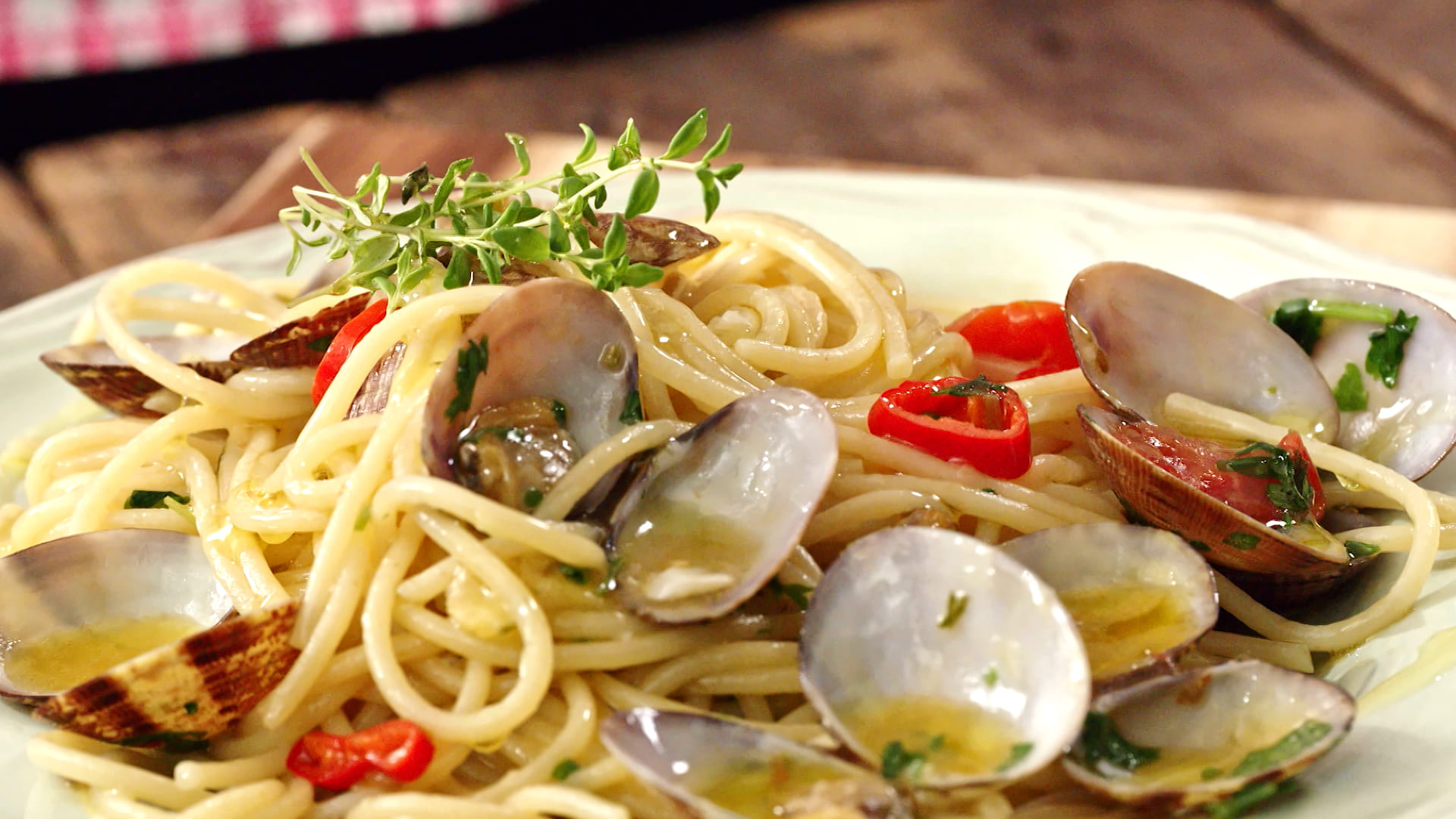
As a historic port city, Naples is equally renowned for its seafood. One of its signature dishes is spaghetti alle vongole, a classic combination of pasta, fresh clams, garlic, olive oil, and parsley that originated in the region. Another defining feature of Neapolitan cooking is the philosophy of cucina povera, or “poor cuisine.” Developed during times when ingredients were scarce, this approach emphasizes making the most of simple, affordable foods while wasting as little as possible. The result is a cuisine that transforms humble ingredients into deeply satisfying meals.
The culinary traditions of Naples are so rich and varied that they cannot be fully explored in a single visit. Every neighborhood, bakery, trattoria, and pizzeria offers its own interpretation of recipes passed down through generations. Whether enjoying a perfectly blistered pizza, a plate of fresh seafood pasta, or simply embracing the relaxed pace of everyday life, visitors quickly discover that the true flavor of Naples lies in taking the time to appreciate each moment and every bite.
