
The Greatest Showman transformed the story of P.T. Barnum into one of Hollywood’s most colorful and energetic modern musicals. Inspired by the life of the visionary entrepreneur who helped popularize the concept of show business, the film blends historical inspiration with dazzling musical performances, celebrating ambition, imagination, and the power of embracing individuality. Rather than striving for strict historical accuracy, the production presents Barnum’s journey through an uplifting spectacle filled with memorable songs and striking visuals.
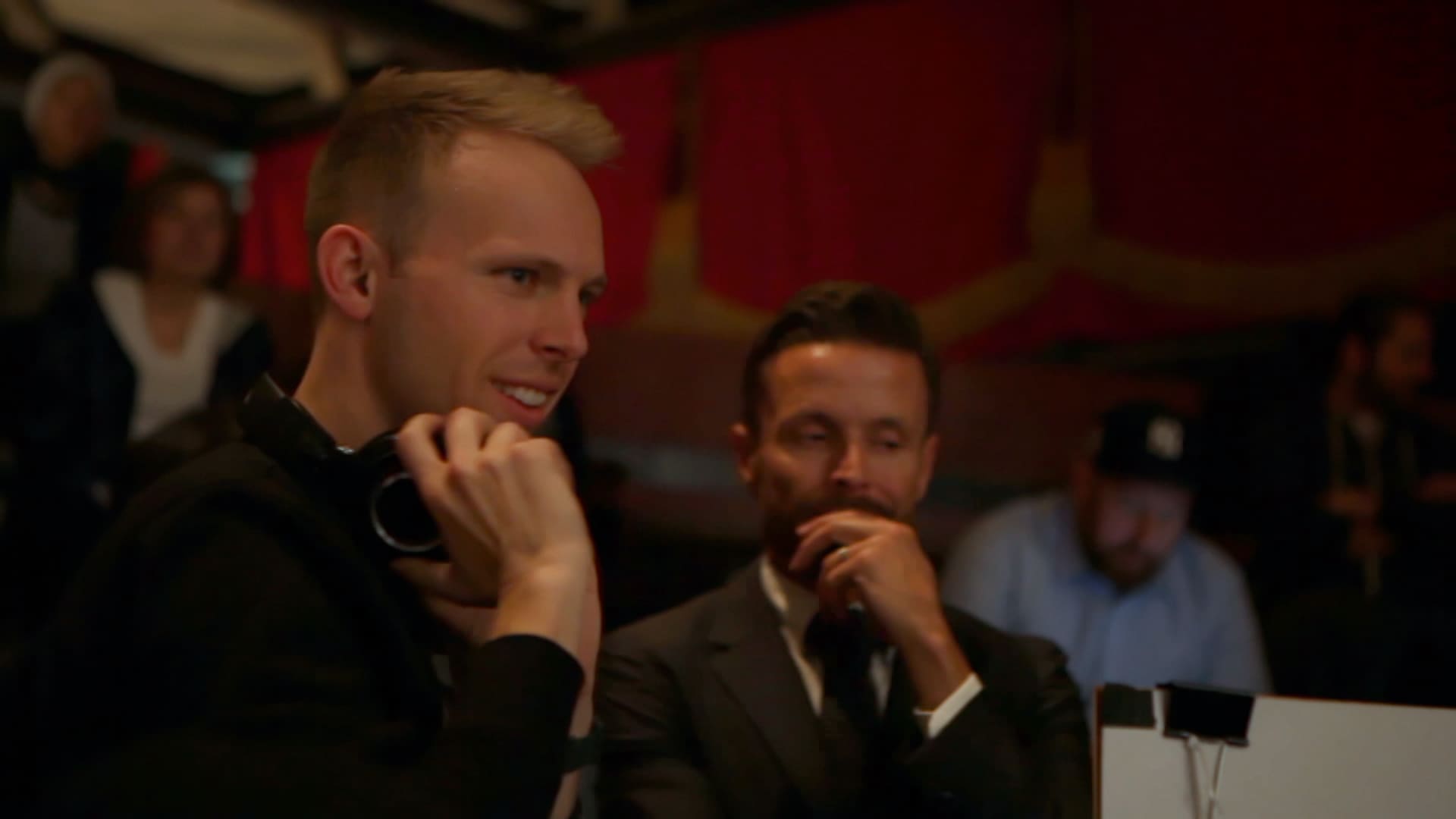
A defining feature of the film is its original soundtrack, created by the award-winning songwriting duo Benj Pasek and Justin Paul. Invited to join the project by director Michael Gracey, the pair embraced the challenge of telling a nineteenth-century story through contemporary pop-inspired music. Gracey’s enthusiasm for the project convinced them to take a creative risk, envisioning a world filled with vibrant colors, emotion, and larger-than-life performances. Their goal was to create songs that felt modern while still supporting the film’s period setting, allowing audiences to connect with the characters on an emotional level.
The songwriting process was deeply collaborative, with the cast playing an essential role in shaping each musical number. Actors devoted countless hours to rehearsals, repeatedly performing songs line by line to refine every lyric, melody, and emotional beat. These recording sessions generated an enormous amount of material, giving the creative team the opportunity to carefully select the strongest performances. Rather than simply capturing technically perfect vocals, the filmmakers focused on preserving the passion, excitement, and authenticity each performer brought to the music.
This dedication is evident throughout the film, where every song serves both the narrative and the characters’ emotional journeys. Musical numbers such as The Greatest Show, A Million Dreams, Rewrite the Stars, and This Is Me became defining moments that resonated far beyond the film itself. Their contemporary sound, combined with elaborate choreography and visually rich production design, helped distinguish The Greatest Showman from traditional movie musicals and contributed to its lasting popularity.
Although the film received mixed reviews from many critics upon its release, audiences embraced it enthusiastically. Positive word of mouth, repeat viewings, and the remarkable success of its soundtrack transformed it into a global phenomenon that far exceeded initial expectations. Today, The Greatest Showman is remembered not only for its infectious music and spectacular performances but also for proving that audience enthusiasm can ultimately define a film’s legacy, turning it into one of the most successful original movie musicals of its generation.
