
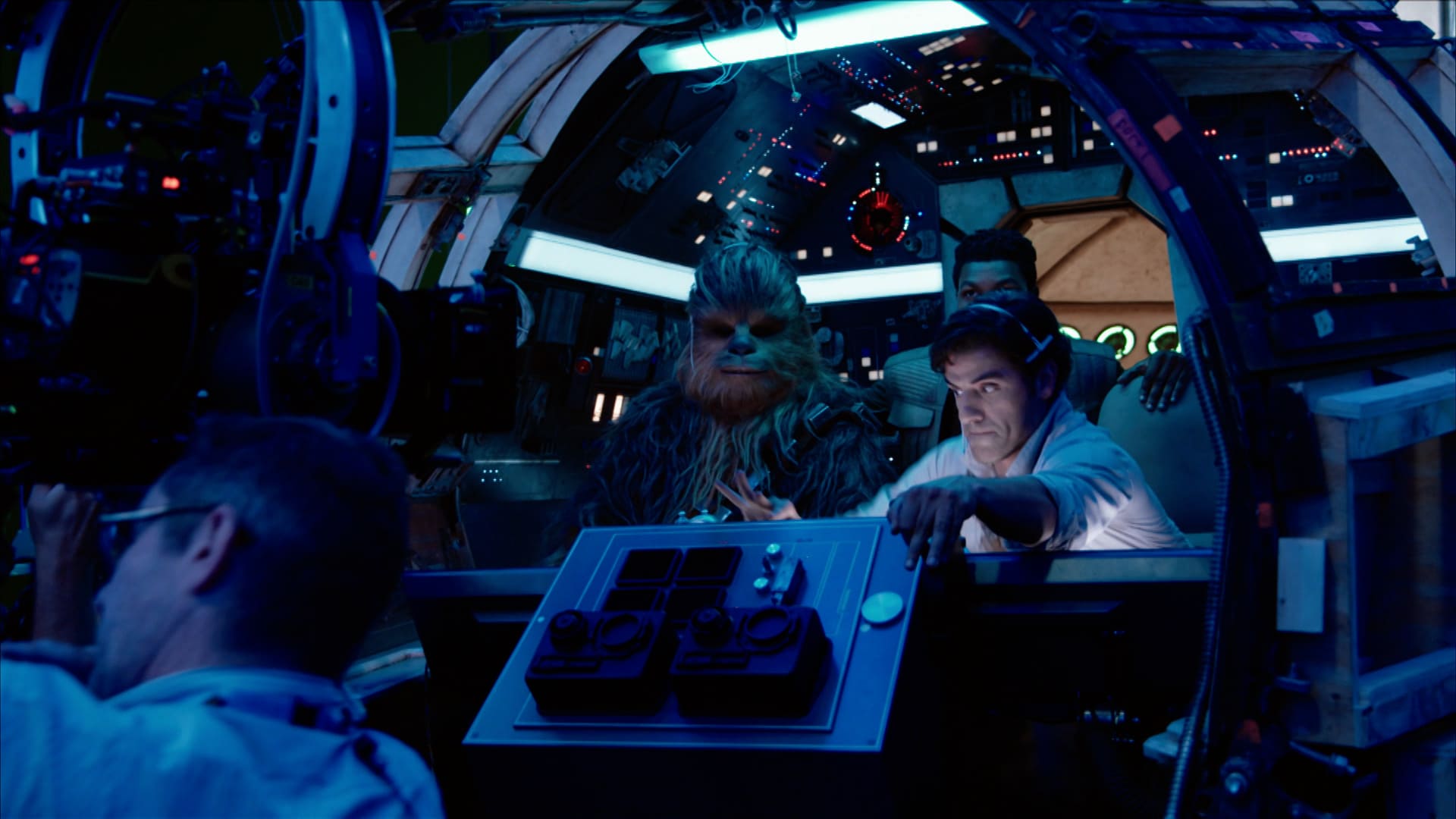
The term space opera may sound unusual today, especially because it has nothing to do with classical opera music, yet it remains one of the most important labels in science fiction storytelling. Space opera refers to dramatic adventures set across outer space or fictional planets, often involving intergalactic conflict, heroic journeys, advanced civilizations, and large scale emotional storytelling. Famous examples include Star Trek and Star Wars, both of which helped transform the genre into one of the most beloved forms of modern entertainment. However, the term itself originally carried a far more negative meaning. During the 1930s, science fiction films and serialized stories were often considered formulaic, low quality, and overly melodramatic. At the same time, clichéd Westerns were mockingly referred to as horse operas, so critics naturally began calling similar science fiction stories space operas. For decades, the genre remained associated with cheap productions and exaggerated storytelling. That perception slowly began changing during the 1960s with the success of Star Trek, a television series that introduced ambitious world building, philosophical themes, and social commentary despite operating on a very limited budget. Filmmakers and fans admired how the series constantly attempted to transport audiences into imaginative new worlds through creativity rather than expensive production resources. According to later creators involved with the franchise, Star Trek succeeded because of its spirit of determination and collaborative storytelling rather than visual perfection alone. The series demonstrated that science fiction could explore meaningful ideas about humanity, exploration, morality, and cooperation while still delivering entertaining adventures across space. Through innovation, imagination, and emotional storytelling, Star Trek helped elevate space opera from a mocked subgenre into a respected and influential form of cinematic and television storytelling worldwide today.
While Star Trek played a major role in improving the reputation of space opera, the genre’s true transformation arrived with the release of Star Wars A New Hope in 1977. The film embraced many classic space opera elements including evil empires, intergalactic heroes, epic battles, and romantic adventure, yet it presented them with such excitement and cinematic energy that audiences completely redefined how they viewed the genre. Instead of appearing outdated or overly dramatic, these familiar storytelling tropes suddenly felt thrilling, emotional, and timeless. Star Wars proved that space opera could deliver both spectacular entertainment and meaningful themes at the same time. The franchise focused heavily on underdogs resisting oppression, ordinary individuals discovering inner strength, and diverse groups uniting against authoritarian power. Later filmmakers connected to the Star Wars universe explained that these human themes remained central to the franchise’s identity from the very beginning. According to them, the story was never truly about spaceships or futuristic technology alone, but about people, identity, hope, and resistance against injustice. One reason the genre became so widely beloved is because space opera allows audiences to explore universal human struggles through imaginative fictional settings unconstrained by real world limitations. The genre also encourages inclusivity by presenting characters from different planets, species, and backgrounds working together toward shared goals.
