
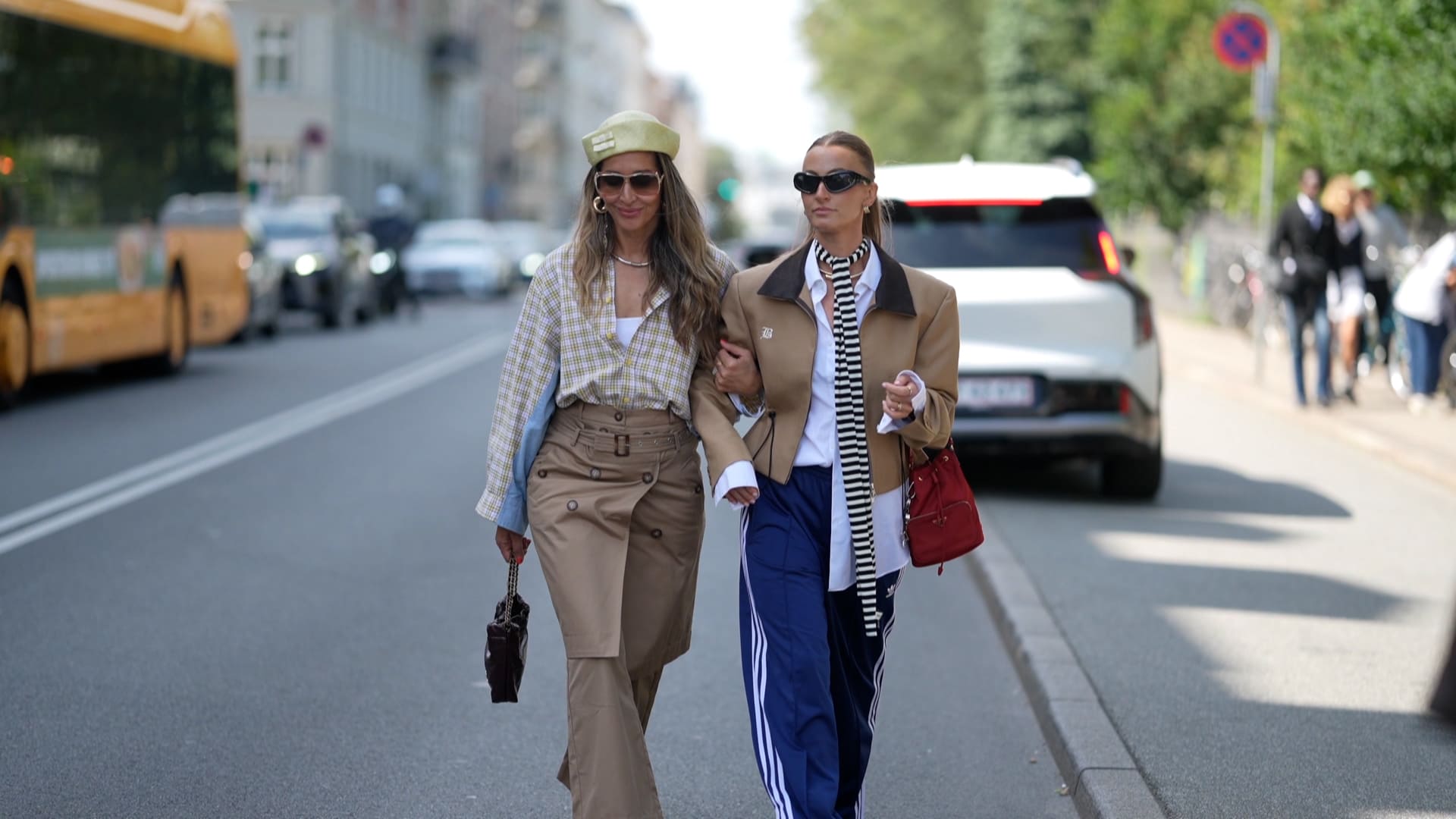
Changing seasons often brings the temptation to replace an entire wardrobe, but staying stylish throughout the year does not require constant shopping. With thoughtful layering, creative combinations and carefully chosen accessories, familiar clothing can remain useful long after its original season has passed. Fashion expert Lauren emphasizes that successful transitional dressing is about making existing pieces work together rather than starting from scratch. By understanding how to balance comfort, practicality and personal style, anyone can create versatile outfits that adapt naturally to changing temperatures.
Building a reliable collection of layering essentials is one of the most effective ways to prepare for unpredictable weather. Lightweight sweaters, denim jackets, tailored blazers and classic trench coats provide flexibility without adding unnecessary bulk. These pieces can be worn individually during mild conditions or combined when temperatures begin to fall. A simple shirt paired with a blazer, for example, creates a polished daytime outfit, while adding a lightweight knit provides extra warmth. Choosing versatile layers in complementary colors also makes it easier to create multiple combinations from a relatively small selection of clothing.
Mixing garments traditionally associated with different seasons can introduce fresh possibilities into everyday dressing. Summer favorites such as slip dresses, linen trousers and lightweight skirts do not necessarily need to disappear when autumn arrives. A delicate slip dress can be styled with an oversized sweater and knee-high boots, creating an appealing contrast between soft fabrics and cozy textures. Similarly, linen trousers can be paired with structured outerwear and closed-toe shoes for a sophisticated transitional outfit. These unexpected combinations allow people to extend the usefulness of favorite garments while developing a more distinctive personal style.
Accessories provide another practical way to adapt outfits without changing their foundations. Replacing sandals with loafers or ankle boots can immediately create a more autumnal appearance, while scarves introduce warmth and visual interest. Tights allow skirts and dresses to remain wearable as temperatures decline, and handbags in deeper shades can subtly transform an outfit’s overall mood. Earthy browns, burgundy, forest green and other rich colors often complement cooler weather styling. Even small adjustments, such as exchanging lightweight jewelry for more substantial accessories, can help create a seasonal shift while preserving the original character of an ensemble.
Ultimately, successful transitional fashion depends on flexibility and creativity rather than the size of a wardrobe. Investing in adaptable basics and experimenting with different combinations can reduce unnecessary purchases while making daily styling more enjoyable. It also encourages a more considered approach to fashion, where clothing is valued for its versatility and long-term usefulness. Instead of viewing each new season as a reason to abandon familiar pieces, individuals can treat changing weather as an opportunity to rediscover their wardrobes. With practical layers, thoughtful accessories and a willingness to experiment, personal style can remain comfortable, expressive and relevant throughout the year.
