
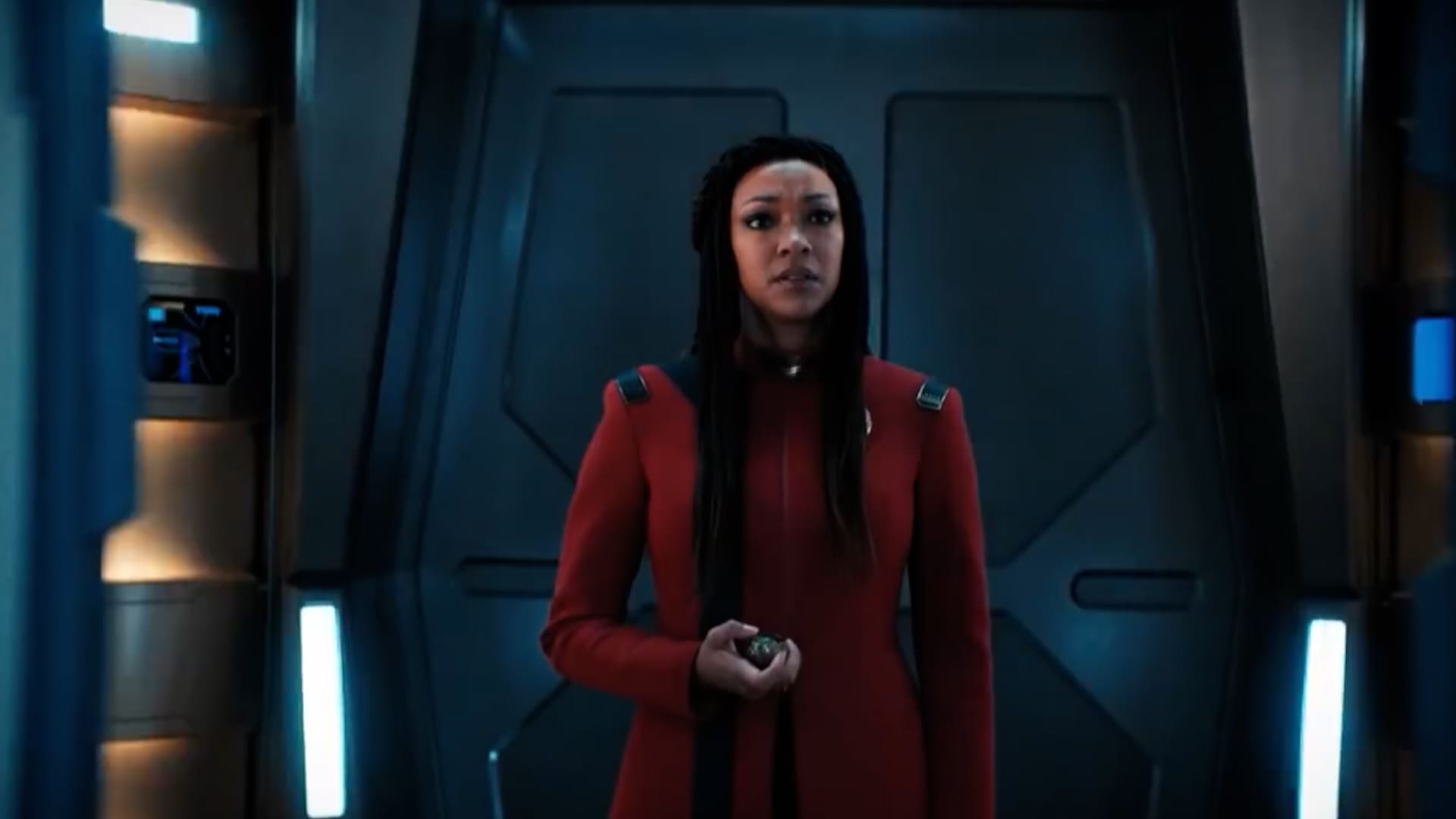
When Star Trek: Discovery premiered in 2017, it marked a significant turning point for one of television’s most influential science fiction franchises. Twelve years had passed since Star Trek: Enterprise ended in 2005, leaving fans without a new live-action television series despite the continued success of theatrical films. Discovery brought the franchise back with an ambitious approach, combining modern production techniques, serialized storytelling and a new generation of characters. Rather than simply recreating the adventures of earlier crews, the series set out to explore unfamiliar territory while honoring more than five decades of Star Trek history.
Initially set approximately ten years before Star Trek: The Original Series, Discovery introduced audiences to Michael Burnham, portrayed by Sonequa Martin-Green. Unlike earlier installments that typically centered on a starship captain, the new series followed Burnham’s experiences and personal development. This creative decision established a different storytelling perspective, allowing the show to examine questions of responsibility, identity and leadership through a central character whose journey evolved across multiple seasons. Filmed primarily in Toronto, Discovery became the sixth live-action Star Trek television series and introduced a cinematic visual style designed for contemporary audiences.
Joining such an established franchise brought considerable expectations for the cast. Jason Isaacs, who portrayed Captain Gabriel Lorca during the first season, acknowledged the enormous cultural influence of Star Trek and its passionate international fanbase. Having grown up admiring Captain James T. Kirk, Isaacs understood the significance of entering a fictional universe that had shaped generations of viewers. However, he preferred concentrating on his performance rather than allowing the franchise’s reputation to become overwhelming. Fellow cast member Shazad Latif similarly approached the production through his commitment to the characters and storytelling.
Discovery also preserved recognizable elements of Star Trek while introducing new creative possibilities. The Klingons played a prominent role in its early narrative, with actors performing dialogue in the fictional Klingon language. Elaborate costumes, detailed makeup and sophisticated visual effects helped establish a distinctive atmosphere. Across five seasons and 65 episodes, the series repeatedly expanded its narrative scope, eventually transporting its central characters into a distant future. This dramatic shift allowed the writers to explore new civilizations, political challenges and questions about the future of the United Federation of Planets.
By the time Discovery concluded in 2024, its identity had evolved considerably from the series that originally revived televised Star Trek. Its willingness to experiment with structure, characters and chronology made it a distinctive chapter in the franchise’s history. More importantly, its success helped establish the foundation for a renewed era of Star Trek television, including additional series featuring different crews and storytelling approaches. Discovery demonstrated that a fictional universe with decades of tradition could continue growing without abandoning its central spirit of exploration. Its lasting contribution lies in helping bring the final frontier back to television for a new generation.
