
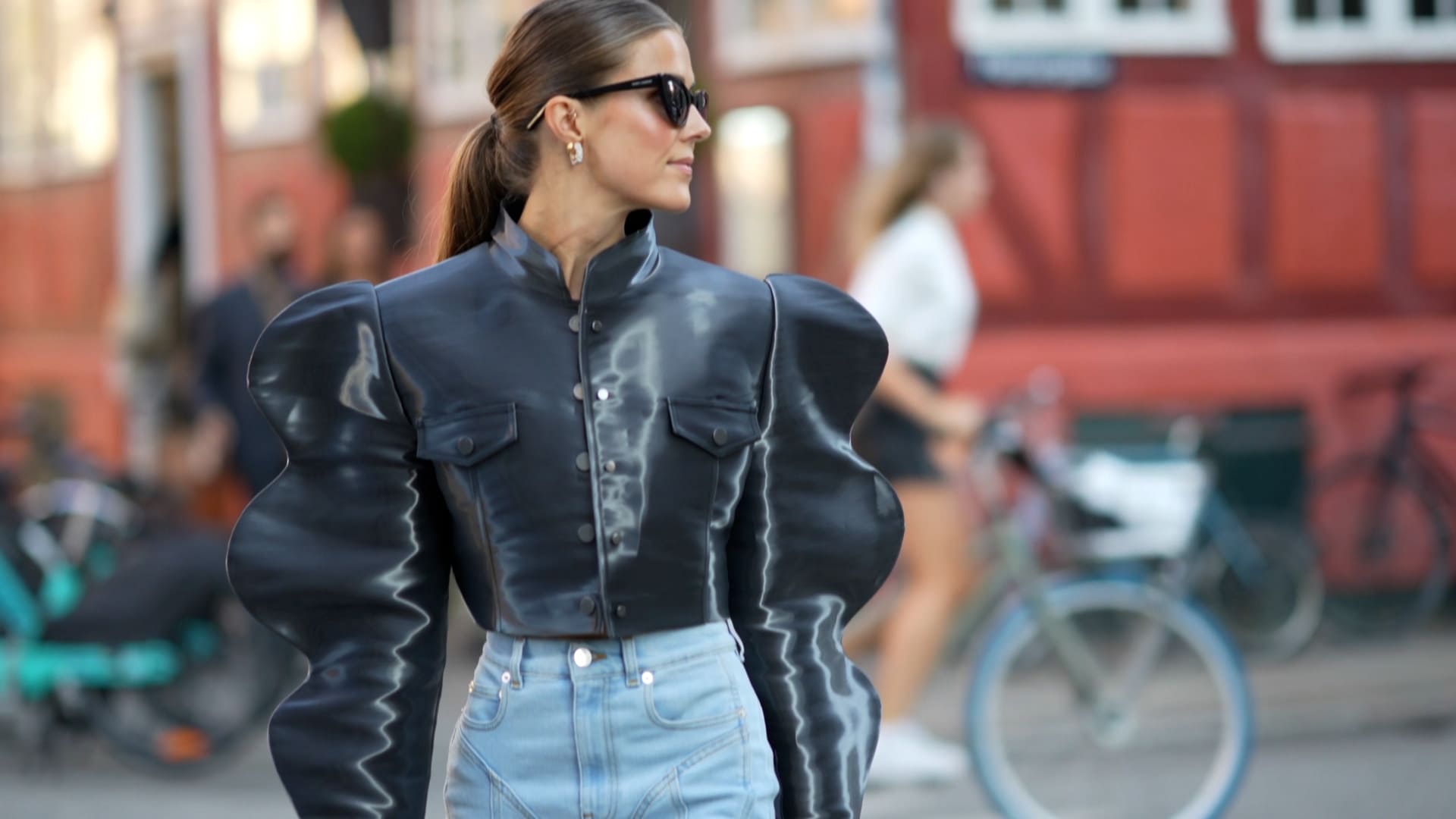
Fashion is an opportunity to experiment with shapes, proportions and creative expression, but dramatic silhouettes can sometimes feel difficult to wear. Oversized sleeves, voluminous dresses and exaggerated tailoring make powerful statements, yet styling them successfully requires thoughtful coordination. Rather than avoiding unconventional designs, fashion enthusiasts can learn to incorporate them into everyday wardrobes with confidence. According to style expert Lauren, the secret lies in balancing proportions, defining the body’s natural shape and embracing the personality of each statement piece. With a few practical techniques, even the most daring designs can become wearable and sophisticated.
Understanding proportion is the foundation of styling dramatic clothing. When one part of an outfit features significant volume, pairing it with a more streamlined piece can create visual harmony. A blouse with exaggerated balloon sleeves, for example, works beautifully with slim trousers or fitted jeans. Similarly, wide-leg pants can be balanced with a tucked-in shirt or a structured top that emphasizes the upper body. This contrast helps prevent an outfit from appearing overwhelming while allowing the statement garment to remain the focal point. The objective is not to eliminate volume, but to distribute it intentionally so that every element contributes to a cohesive appearance.
Defining the waist and introducing subtle structure can also transform challenging silhouettes. Accessories such as belts, fabric ties and fitted layers provide simple ways to shape oversized garments without sacrificing their dramatic appeal. A loose dress can gain definition through a carefully positioned belt, while an oversized shirt can appear more polished with a French tuck, where only the front portion is tucked into the waistband. These adjustments introduce balance and create a more deliberate silhouette. Experimenting with different placements and proportions allows individuals to discover combinations that complement their preferences while preserving the original character of the clothing.
Accessories and footwear offer additional opportunities to refine bold outfits. When wearing an elaborate sculptural top or an unusually shaped dress, understated jewelry and simple shoes can help maintain focus on the central design. Conversely, minimalist clothing with exaggerated proportions may benefit from a distinctive handbag or carefully selected statement accessory. Fabric choice also influences the overall effect. Structured materials tend to hold architectural shapes, while softer textiles create movement and fluidity. Considering how garments behave while walking, sitting and moving can make an experimental outfit feel more comfortable and practical throughout the day.
Ultimately, confidence is the most important element of wearing unconventional fashion. Dramatic silhouettes are designed to attract attention, and embracing that quality can make the difference between feeling uncomfortable and appearing effortlessly stylish. Strong posture, comfortable movement and a willingness to experiment help bring an outfit together. Personal style develops through discovering which combinations feel authentic rather than following rigid rules. By balancing volume, introducing definition and wearing statement pieces with confidence, anyone can transform challenging shapes into distinctive looks that celebrate individuality and creativity.
