
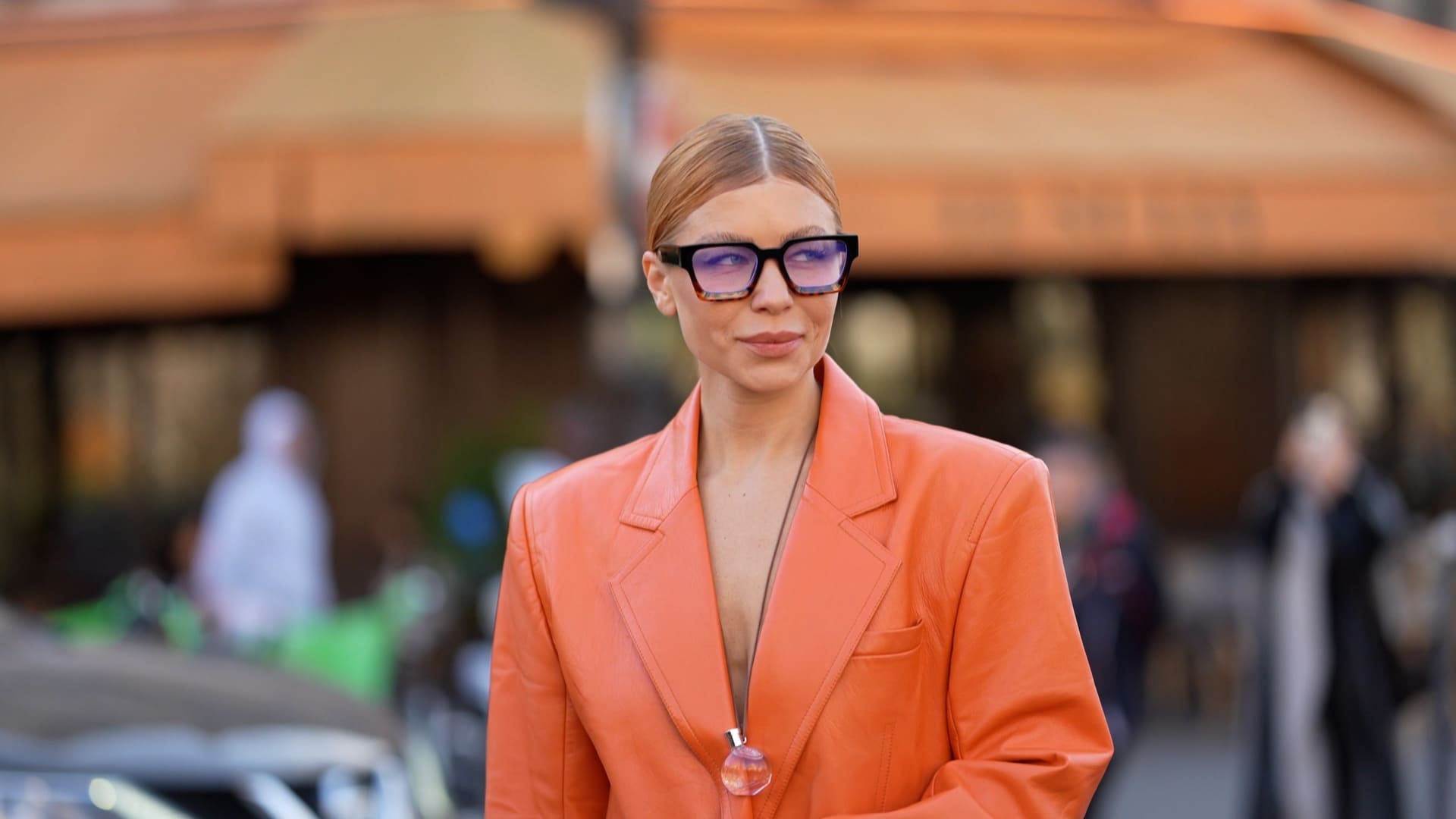
Personal style is about more than following fashion trends or choosing clothes that look attractive. What we wear can also reflect our emotions, personality and the energy we want to bring into the day. Some mornings call for bold statement pieces, while others feel better suited to comfortable fabrics and relaxed silhouettes. According to style expert Lauren Harmon, understanding your mood before selecting an outfit can help create a wardrobe that feels more authentic. This approach, often described as dressing from the inside out, encourages people to use clothing as a form of personal expression.
The first step is identifying how you feel or how you want to feel. Someone preparing for an important meeting might want to project confidence and authority, while another person may prefer a softer, more romantic appearance. Structured blazers, tailored trousers and clean lines can communicate strength and professionalism. Flowing dresses, delicate textures and lightweight fabrics create a gentler impression. For relaxed days, oversized knitwear, comfortable denim and casual layers offer an effortless alternative. Rather than automatically reaching for whatever is fashionable, choosing pieces that match your emotional state can make getting dressed feel more intentional.
Color also plays an important role in shaping an outfit’s overall atmosphere. Bright reds, dramatic blacks and striking patterns can create a powerful visual statement, making them appealing choices when someone wants to stand out. Softer shades, including beige, cream, dusty pink and muted green, can contribute to a calmer appearance. Earthy tones often complement relaxed, understated styling, while vibrant combinations introduce playful energy. Although colors do not produce identical emotional responses in everyone, personal associations can influence how comfortable and confident an individual feels wearing them. Experimenting with different palettes helps reveal which shades best express particular moods.
Accessories and grooming provide another opportunity to personalize an outfit without replacing an entire wardrobe. A sleek hairstyle paired with gold hoop earrings can create a polished, sophisticated impression. Loose waves, layered necklaces and textured accessories may suggest a more carefree, bohemian aesthetic. Footwear can also transform the same clothing combination. Sneakers introduce a casual element, while heels or structured boots can make an outfit appear more formal. Even small changes, such as switching handbags or adding a statement belt, can shift the overall impression. These finishing details allow people to adapt familiar pieces to different occasions and emotions.
Ultimately, dressing for your mood is about developing a stronger connection between personal identity and everyday fashion choices. It does not require an expensive wardrobe, constant shopping or strict styling rules. Instead, it encourages creativity with clothes you already own. By considering silhouettes, colors and accessories through the lens of personal expression, getting dressed can become a more enjoyable experience. The most successful outfit is not necessarily the trendiest one, but the combination that helps you feel comfortable, confident and genuinely yourself.
