
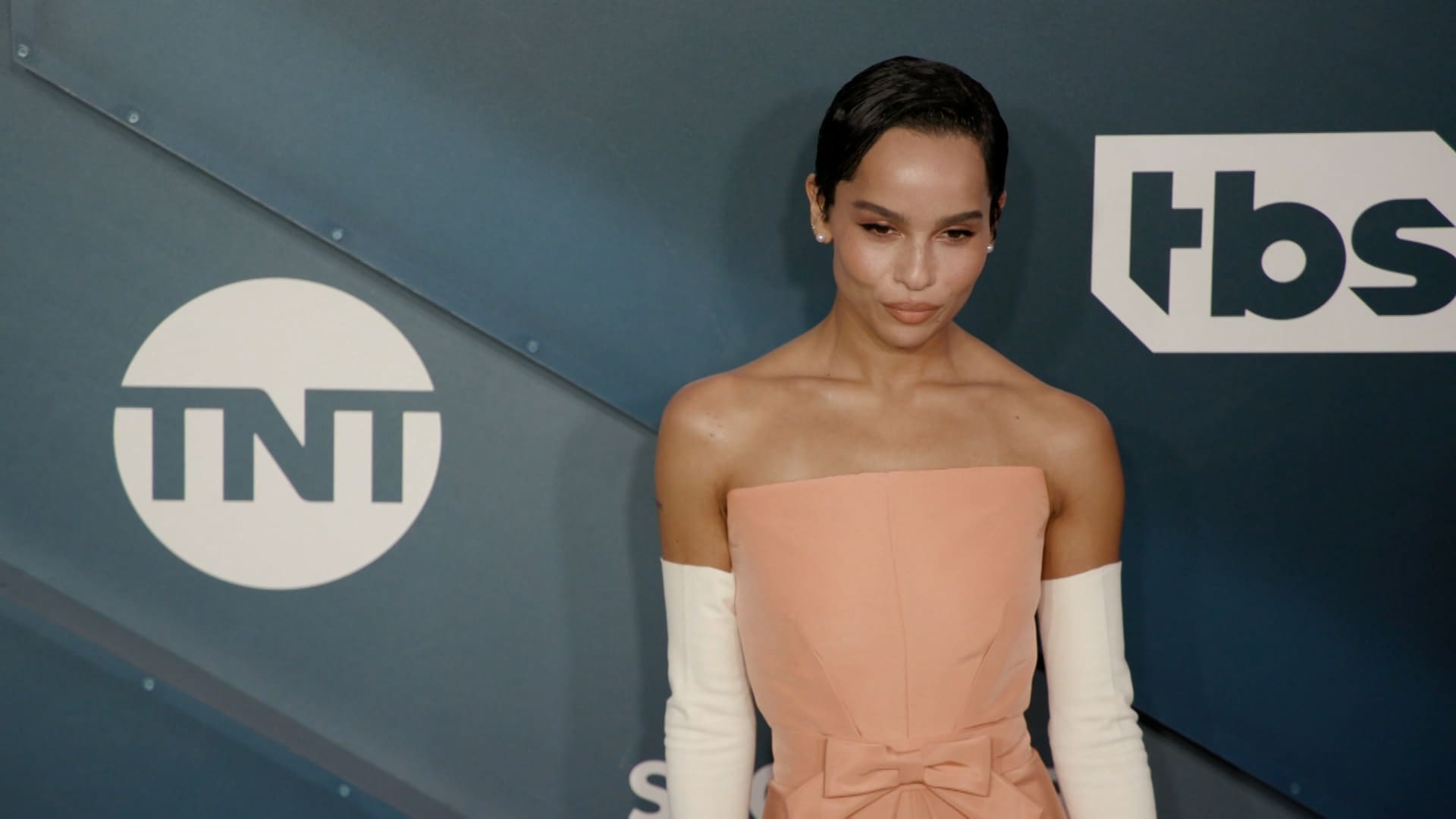
The phrase “nepo baby” became a major part of online culture in 2022, giving a catchy name to a familiar Hollywood phenomenon. Short for nepotism baby, the label is usually applied to actors, models, and musicians whose parents are already famous. The debate surrounding them is rarely simple. Family connections can provide access, confidence, and valuable introductions, but they do not automatically guarantee a lasting career.
Zoë Kravitz, the daughter of musician Lenny Kravitz and actress Lisa Bonet, has openly acknowledged that her background helped her secure representation and early opportunities. At the same time, she argues that a famous surname only carries someone so far. Major filmmakers still need performers who can serve the project, especially in large productions such as Mad Max: Fury Road, where directors and producers already have access to established stars. Connections may open the first door, but talent, professionalism, and audience appeal determine whether it stays open.
A similar conversation has followed Lily-Rose Depp, whose parents are actor Johnny Depp and singer and actress Vanessa Paradis. Her upbringing gave her an unusually close view of the entertainment and fashion industries, making acting and modeling feel like natural career options. She has described herself as a performative child who enjoyed dancing and staging small shows for her family. From her perspective, entering show business was not simply an attempt to copy her parents, but an extension of interests she had shown from an early age.
Parental support is another significant advantage. Many aspiring actors spend years balancing auditions with unrelated jobs while facing pressure to choose a more secure profession. Children of successful entertainers are more likely to have families who understand the risks, demands, and unpredictable nature of creative careers. That emotional and financial stability can give them more time to train, audition, and recover from rejection.
Maya Hawke, the daughter of Ethan Hawke and Uma Thurman, represents another example of this dynamic. Her parents’ experience helped her understand the industry and encouraged her artistic ambitions. However, her success still required her to develop an identity separate from theirs through performances in projects such as Stranger Things.
The nepo baby debate ultimately sits between privilege and ability. Famous parents can offer introductions, guidance, and a safety net unavailable to most performers. Yet those advantages do not create chemistry, discipline, or screen presence. The fairest assessment is not to deny the privilege, but to recognize that access may begin a career while the work itself determines whether it continues.
