
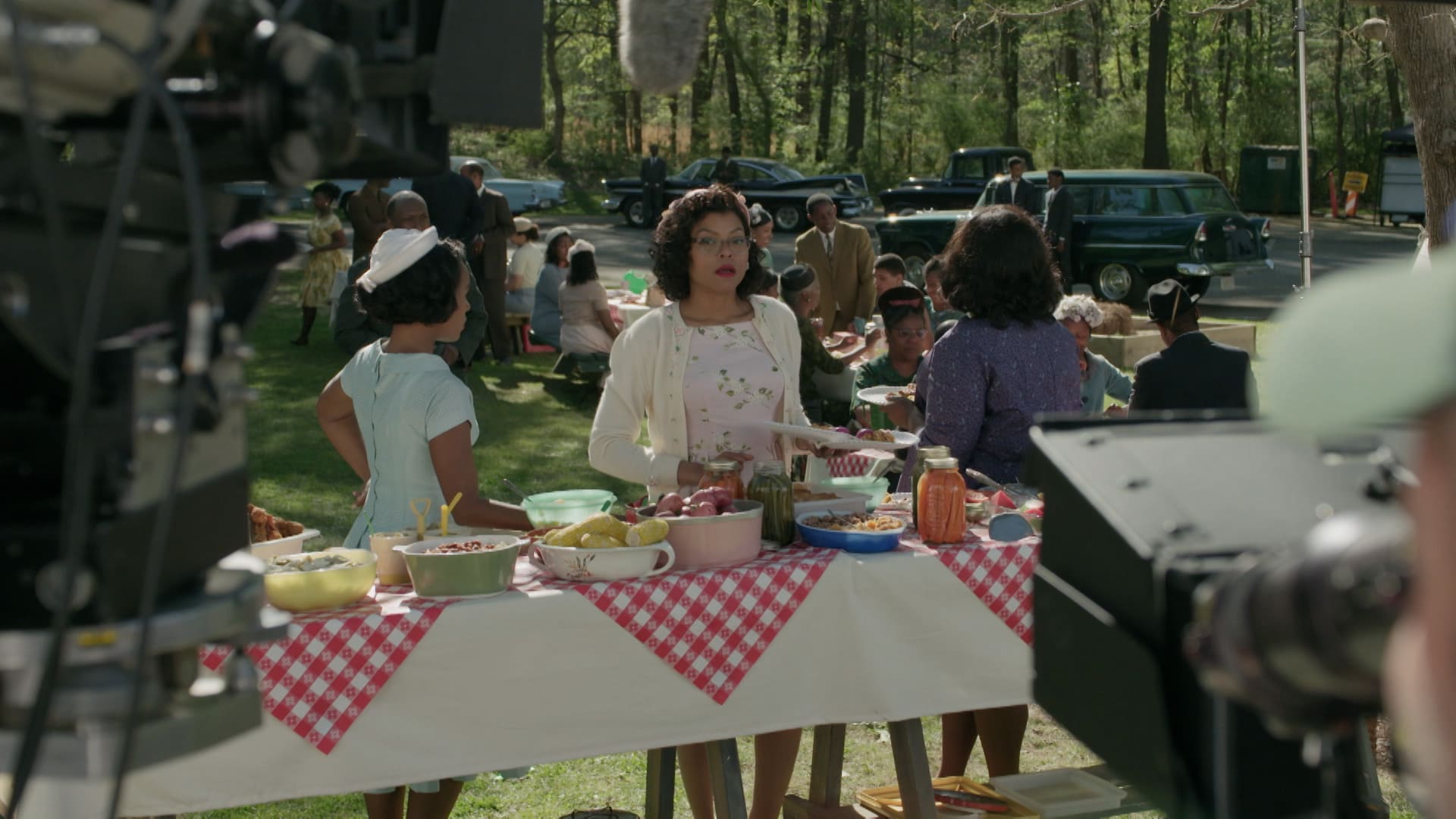
Civil rights movements have long shaped societies, challenging injustice and demanding equality. These struggles, often heroic and filled with obstacles, naturally translate into compelling cinema. Films in this genre explore both landmark historical events and smaller personal stories, giving audiences a lens into the experiences of marginalized communities. By dramatizing these narratives, filmmakers create empathy and understanding, showing how ordinary people can stand up against discrimination and systemic inequality.
Some movies highlight major social movements, such as women fighting for the right to vote in Suffragette, the civil rights marches chronicled in Selma, and the activism of the Black Panther Party in Judas and the Black Messiah. Others focus on more intimate stories, like the three African-American women mathematicians at NASA featured in Hidden Figures, whose brilliance was overlooked due to prejudice, or the interracial couple in Loving, denied the right to marry. These films emphasize personal courage and perseverance within broader societal struggles.
A key strength of civil rights films is their ability to foster empathy. Viewers often gain insight into experiences very different from their own, witnessing discrimination, injustice, and resistance through the eyes of the characters. The films also remain highly relevant, reflecting ongoing challenges such as gender pay gaps, racial inequality, voter suppression, and ethnic profiling. By connecting past struggles with current realities, these stories remind audiences that progress is possible but requires continued awareness and action.
The popularity of civil rights cinema has grown substantially, especially in the last decade. Many impactful films in the genre have been released after 2010, reflecting a cultural readiness to confront difficult histories. Directors like Steve McQueen, who won the Best Picture Oscar for 12 Years a Slave, have noted that audiences are increasingly eager to engage with narratives about injustice, learn from the past, and use that knowledge to shape a better future. The continued rise of these films underscores their significance in both art and society.
Ultimately, civil rights films do more than entertain—they educate and inspire. By telling stories of struggle, courage, and resilience, they encourage viewers to reflect on systemic inequities and consider their own roles in fostering justice. Understanding history through these cinematic narratives is essential: knowing the past helps society move forward, while honoring the experiences of those who fought for equality ensures their legacies endure.
