
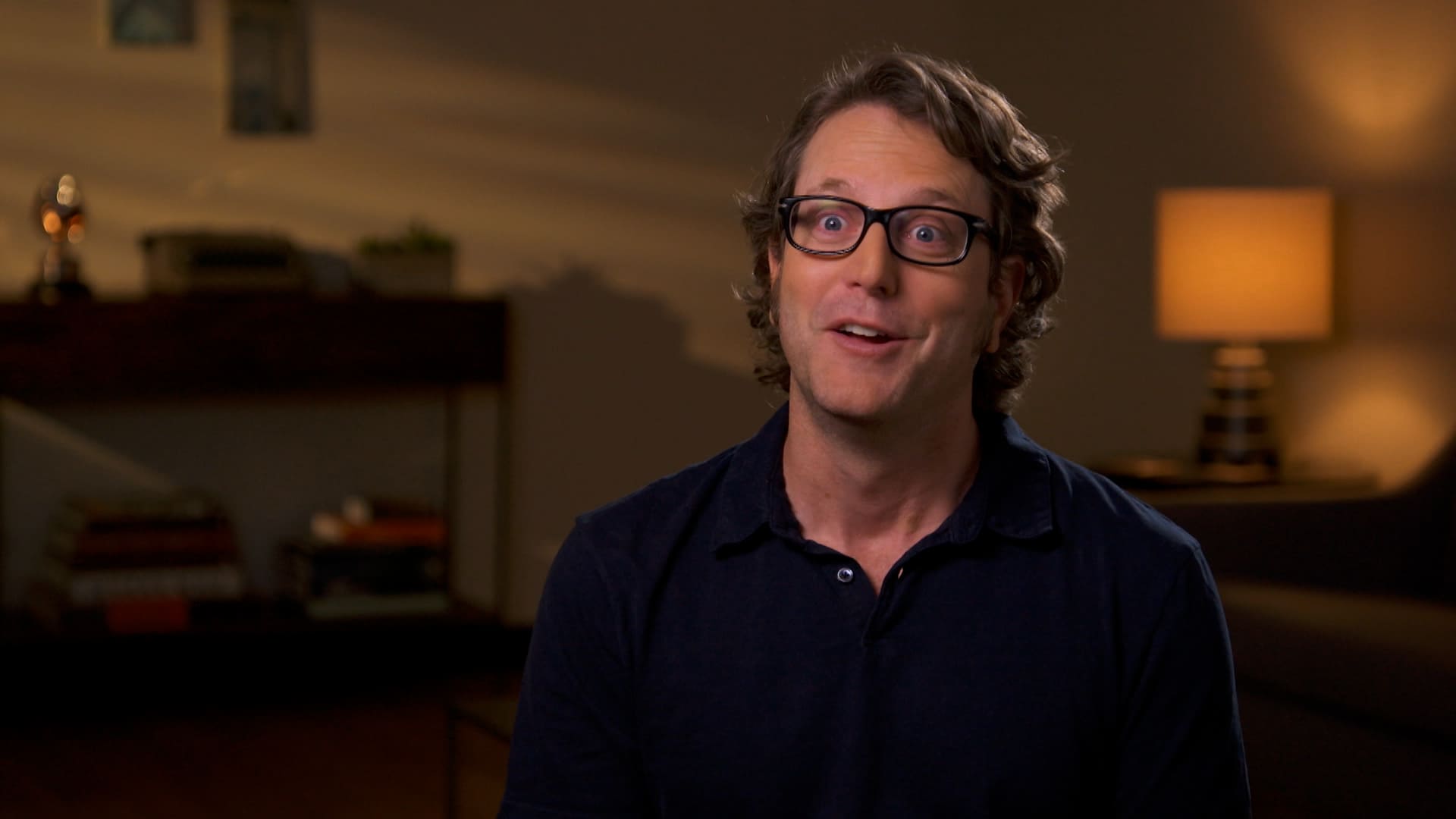
David Dobkin built a successful career by working across both comedy and drama, but one of his most notable projects as a producer was the modern reboot of Vacation, inspired by the classic National Lampoon’s Vacation franchise. The film functioned as both a sequel and a contemporary reimagining of the original story, following Rusty Griswold, the son of the legendary Clark Griswold character from the earlier movies. In this updated version, Rusty struggles with the emotional distance developing within his family as his children grow older and relationships begin changing during adolescence. Driven by nostalgia, he becomes convinced that recreating the road trip vacations from his childhood might help reunite the family and restore happiness. Dobkin explained that the story reflected a common human tendency to remember difficult experiences more fondly over time, transforming stressful family moments into treasured memories. The film’s emotional core therefore balanced comedy with themes of family connection, nostalgia, and the desire to preserve relationships before children grow up completely. While the franchise remained known for outrageous humor and disastrous vacations, this reboot also attempted to modernise those ideas for contemporary audiences through updated cultural references and character dynamics. The project was directed and written by Jonathan Goldstein and John Francis Daley, whose screenplay immediately impressed Dobkin because of its energy, humor, and understanding of the original franchise’s spirit. Their approach successfully combined classic slapstick comedy with modern storytelling while maintaining the chaotic family atmosphere that made the earlier Vacation films so memorable for audiences. Through nostalgia, awkward family interactions, and exaggerated comedy, the reboot aimed to introduce the beloved franchise to a completely new generation of movie viewers today.
For David Dobkin, choosing Jonathan Goldstein and John Francis Daley to direct Vacation became an easy decision because of how clearly they understood both the humor and emotional tone required for the project. Dobkin recalled reading their screenplay and immediately recognising it as one of the funniest scripts he had encountered in years. Beyond writing the script, the directing pair also arrived prepared with visual concepts, storyboards, and detailed creative ideas that demonstrated their strong vision for the films style and pacing. Their enthusiasm convinced the production team that they were the ideal filmmakers to modernise the franchise while respecting the spirit of the original movies. Throughout the film, exaggerated physical comedy and uncomfortable family situations remained central to the storytelling. Scenes involving disastrous road trips, embarrassing encounters, and chaotic accidents preserved the franchises signature style while introducing new comedic rhythms shaped by contemporary audiences and pop culture influences. Dobkin believed the filmmakers needed complete commitment to the outrageous material in order for the humor to succeed. Instead of approaching the comedy cautiously, the film embraced absurdity fully, allowing awkward moments and escalating disasters to become increasingly ridiculous. This approach reflected the traditions of earlier Vacation films, which became popular because of their willingness to push ordinary family problems into extreme comedic territory. At the same time, the reboot attempted to capture modern anxieties surrounding parenting, technology, and changing family relationships.
